
Leading Experts
The United States Life-Saving Service Heritage Association’s members are the leading experts in the history of coastal life-saving in America, and many of them are available to lecture to historical societies, rotary clubs, senior centers, schools – in fact, any group that is interested in learning more about this exciting topic.
First National USLSSHA Speakers Bureau
Toward that end, we have compiled our first national USLSSHA Speakers Bureau. Each speaker is listed by region, with entries that list topics, the range they are willing to travel, any required fees, contact information, and more. To get your organization started down the road toward increased knowledge and respect for the work of the Life-Saving Service, Lighthouse Service and Coast Guard. Download the USLSSHA Speakers Bureau here
For more information, or to be listed on the bureau (must be a member of USLSSHA or sponsored by one), please contact us at [email protected].
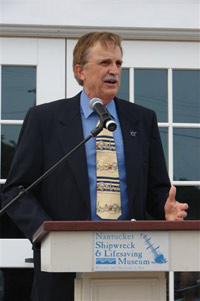
President Fred Stonehouse speaking at the Nantucket Shipwreck & Lifesaving Museum
USLSSHA Speakers
Northeast
Credentials
- Awards Committee Chairman, Foundation for Coast Guard History
- Maritime Heritage Chair and Secretary, Stellwagen Bank National Marine Sanctuary Advisory Council; Volunteer of the Year, 2014
- Contributor to Captain’s Seaside Guide, Northeast Boating(later Offshore), South Shore Living, Cape Cod Life, Ships Monthly, The Cutter, The Keeper, Wreck & Rescue, and numerous local magazines in Massachusetts
- Volunteer, National Maritime Historical Society; Reviewer for Sea History
- Author of more than 50 books
- USLSSHA member since 1997; former editor, Wreck & RescueandLife Lines
Topics
- Greater Love Hath No Man: The Life of Joshua James
- Lifesavers of the South Shore of Boston: A History of Rescue and Loss
- The Life-Saving Service on Cape Cod
- Richard Etheridge and the Pea Island Life-Savers
- The Wreck of the C.A. Thayer: The Last Ship Afloat Saved by the USLSS?
- The Louisville Floating Life-Saving Station
- The Birth and Growth of the USLSS
- A Natural Partnership: The Life-Saving Service and the Smithsonian
- Unifunctionalism: The “Merger” that Created the Coast Guard
- The Coast Guard: A History and Top Ten Rescues
- The Coast Guard in Massachusettes
- Wings for the Fleet: Early Days of Coast Guard Aviation
- By Resolution and Perseverance: The History of the Mass Humane Society
- Shipwrecks of Stellwagen Bank National Marine Sanctuary
- Lighthouses Far and Near
- The Lighthouses of Boston Harbor
- The Lighthouses of the South Shore of Boston
- A Day in the Life of a Lighthouse Keeper
- Lighthouses Heroes
- The Flying Santa of the Lighthouses
- When Hull Freezes Over: Historic Winter Tales from Hull, Massachusetts
- Boston Harbor in Vintage Postcards
- …others
Contact Info
Phone: 781-724-7131
Email: [email protected]
Cost per appearance
$150 or expenses if they exceed that amount
Geographical range
No limit
Credentials
- Volunteer Lighthouse Keeper, Straitsmouth Island and Thacher Island, Rockport, Massachusetts
- Active volunteer in the preservation of buildings, lighthouses and equipment
- USLSSHA member since 1996
Topics:
- The Thacher Island Lighthouses (Cape Ann Light Station)
- Breeches Buoy Apparatus
- Medium: lecture
Contact Info
Phone: 508-284-6551
Email: [email protected]
Cost per appearance
$100
Geographical range
Massachusetts
Credentials
- Graduate of the U. S. Coast Guard Academy. Holds master’s degrees from the Naval Postgraduate School and the Naval War College.
- Coast Guard Academy’s 2017 Distinguished Alumni
- 42 Year Career with three federal agencies: 26 years in the USCG, followed by service with the Boston area TSA and with Region 1 FEMA.
- Author of four books, focused on famous Coast Guard rescues
- Consultant in maritime legal matters
- Adjunct Instructor in Homeland Security at University of New Haven.
- Complete biography on his website www.wrussellwebster.com
Topics
- America's Lost Son: The 1999 Search for JFK Jr.
- Lost in Charleston's Waves; The 1997 Tragedy of the Sailing Vessel Morning Dew
- The 1990 Tragedy of the Fishing Vessel Sol e Mar off Martha's Vineyard
- The 1952 Pendleton Rescue off Chatham
Contact Info
Cost per appearance
Varies, depending on travel requirements. ($200-$500)
Geographical range
New England
Credentials
- Author, Old Harbor Station, Cape Cod
- USLSSHA member since 1996
Topic
Cape Cod Life-Saving Stations
Contact Info
Phone: 774-722-0921
Email: [email protected]
Cost per appearance
$1 per mile, minimum $20
Geographical range
100 miles from Eastham, Massachusetts
Mid Atlantic & Southeast
Credentials
- Coauthor of technical design history book published by University Press of Florida on U.S. Life-Saving Service and U.S. Coast Guard rescue craft.
- Coauthor of recent books by Arcadia/History Press on the history of the Powhattan and New Era shipwrecks and early federal life-saving efforts, and on the history of the Florida houses of refuge
- Researcher of rescue craft history for U.S. Coast Guard Historian’s Office, National Park Service, USLSSHA, and local preservation groups
- Helps students in local (NJ) area school groups learn about lighthouses and rescue craft history
- USLSSHA member since 2001; current president since 2013
Topic:
- Life-Saving Service, Lighthouse Service, and Coast Guard small boats from the 1800's to present
Contact info:
Phone: 609-259-5636
Email: [email protected]
Cost per appearance:
Free for educational purposes
Geographical range:
New Jersey, eastern Pennsylvania around Philadelphia, and lower New York State, perhaps Connecticut and Rhode Island with sufficient time to plan
Credentials
Founder, USCG Office of Boat Forces
Boats – Refined and improved 47’ Motor Lifeboat, created 25’ Response Boat Small, founded Response Boat Medium acquisition project, created Cutter Boat Over the Horizon (OTH), experimented with Deployable Pursuit Boats, instituted standard navigation systems for all boats
- Staffing & Training – Added over 1000 new crew at boat stations, re- established Boatswain Mate School, created formal surfman training program at units with dedicated unit instructors
- Boat Forces Culture – Created Sumner I. Kimball Award, awards for outstanding engineer and coxswain, instituted safety learning system, founded Boat Forces Center at Training Center Yorktown, issued Boat Operations and Training (BOAT) Manual, instituted Boat Forces insignia for officers and enlisted. Added storekeeper for support at all boat stations.
- Funding – Improved maintenance and operating funds for all classes of boats
- Founder, USCG Helicopter Rescue Swimmer program
- Commanding Officer, USCG Air Station New Orleans
- Recipient of Helicopter Association International’s Igor Sikorsky Award for rescue of fishermen at the height of a hurricane
- Contributor to Proceedings, the U.S. Naval Institute’s Independent Journal on National Defense
- USLSSHA member since 1999
Topics:
- Any of the above topics
Contact:
Email: [email protected]
Cost per appearance:
Free
Geographical Range:
Washington DC metro area, unless travel is provided
Credentials
- Freelance writer
- Retired college professor
- Associate Historian, Overfalls Maritime Museum Foundation
- Tour guide, Lightship Overfalls, Lewes, Delaware
- Sponsored by USLSSHA members Bill and Joan Reader
Topic:
- Lightships
Contact Info:
Phone: 302.945-0393
Email: [email protected]
Cost per appearance:
Contributions for the Overfalls Foundation
Geographical Range:
100 miles from Lewes, Delaware
Credentials
- Editor and contributing editor of New Jersey Historical Divers Association (NJHDA) Journal
- Director of the NJHDA New Jersey Shipwreck Museum
- USLSSHA member since 1996
- New Jersey Shipwrecks
Contact info:
Phone: 732-776-6261
Email: [email protected]
Cost per appearance:
$100 plus cost of travel
Geographical range:
Unlimited provided costs are covered
Great Lakes
Credentials
- Board of Directors and Past President, USLSSHA
- President/Director, Marquette Maritime Museum
- Author of many books, including, The Wreck of the Edmund Fitzgerald, Wreck Ashore: The U.S. Life-Saving Service on the Great Lakes, and Great Lakes Lighthouse Tales
- Contributor to Wreck & Rescue Journal and Lake Superior Magazine
- Consultant to the National Park Service and Parks Canada
- 2006 recipient of the Association for Great Lakes Maritime History Award for Historic Interpretation
- 2007 recipient of the Marine Historical Society of Detroit’s “Historian of the Year” Award
- 2014 Distinguished Alumnus Award, Northern Michigan University
- Founding member of USLSSHA
Topics:
- Lake Michigan Maritime Ghost Tales
- Lost on Superior: Shipwrecks Still Missing
- Forgotten Heroes: The U.S. Life-Saving Service
- Forgotten Heroes: The U.S. Life-Saving Service on the Great Lakes
- Great Lakes Shipwrecks
- Great Lakes Lighthouses
- Freighters of Destiny
- Shipwreck of the Mesquite: Death of a Coast Guard Cutter
- The Wreck of the Edmund Fitzgerald
- Great Lakes Shipwrecks: A Continuing Saga
- …others
Contact info:
Email: [email protected]
Website: www.frederickstonehouse.com
Cost per appearance:
Negotiable
Geographical range:
Negotiable
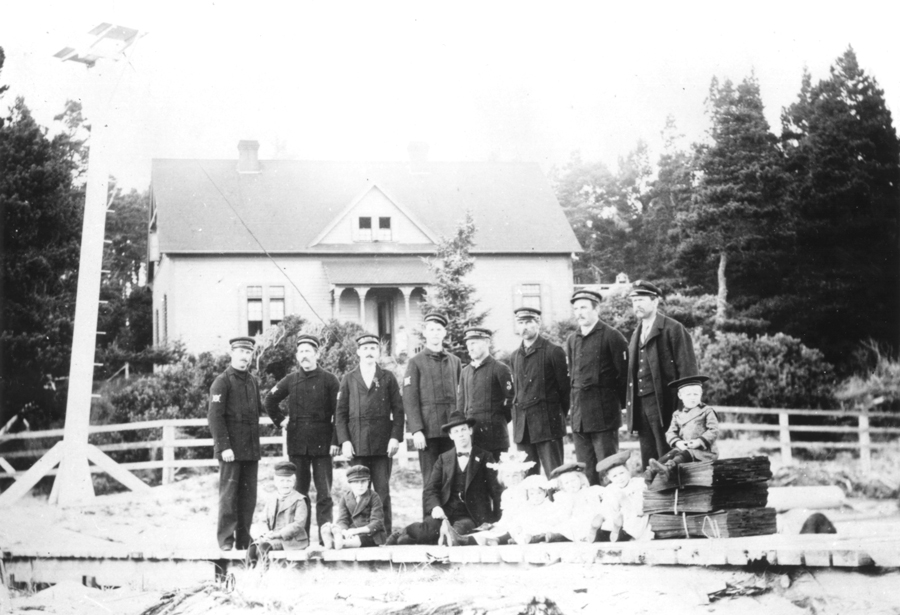
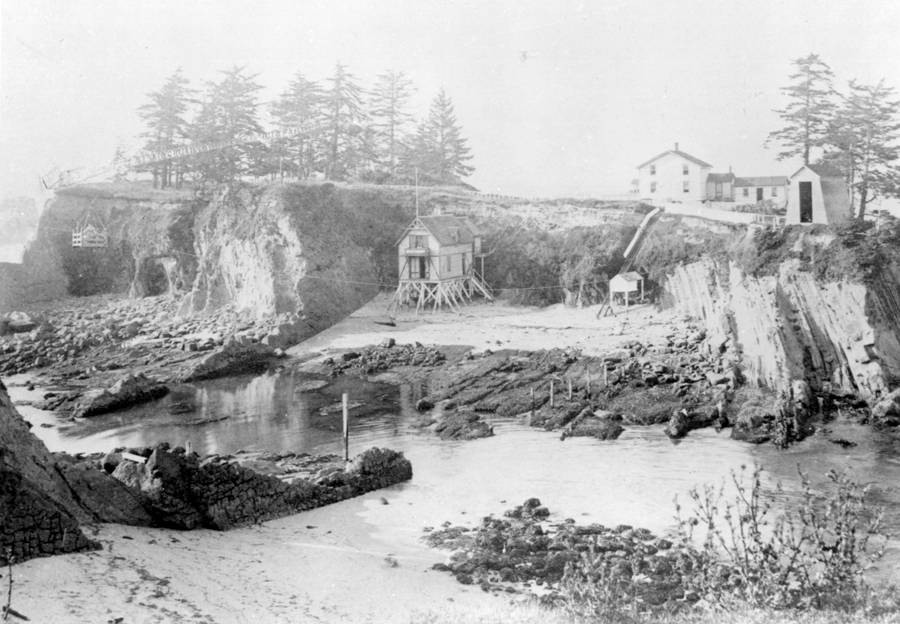
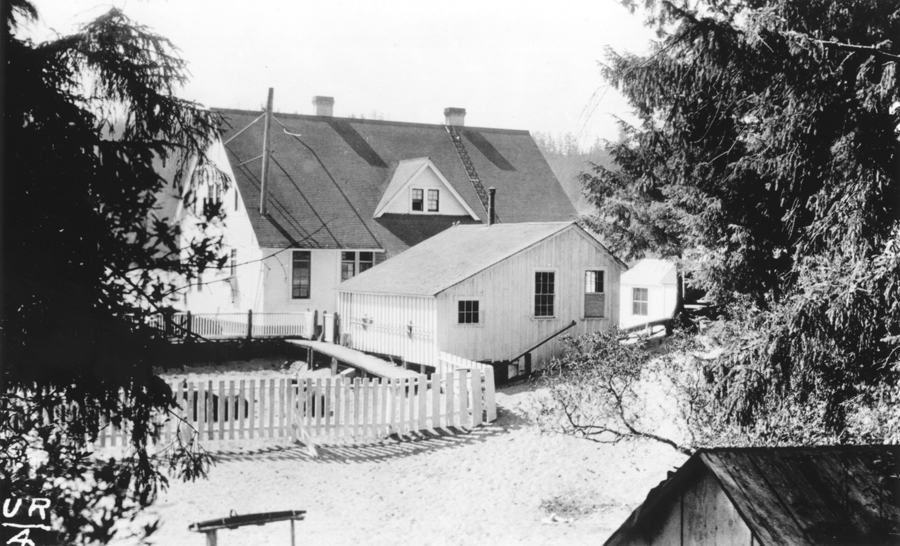
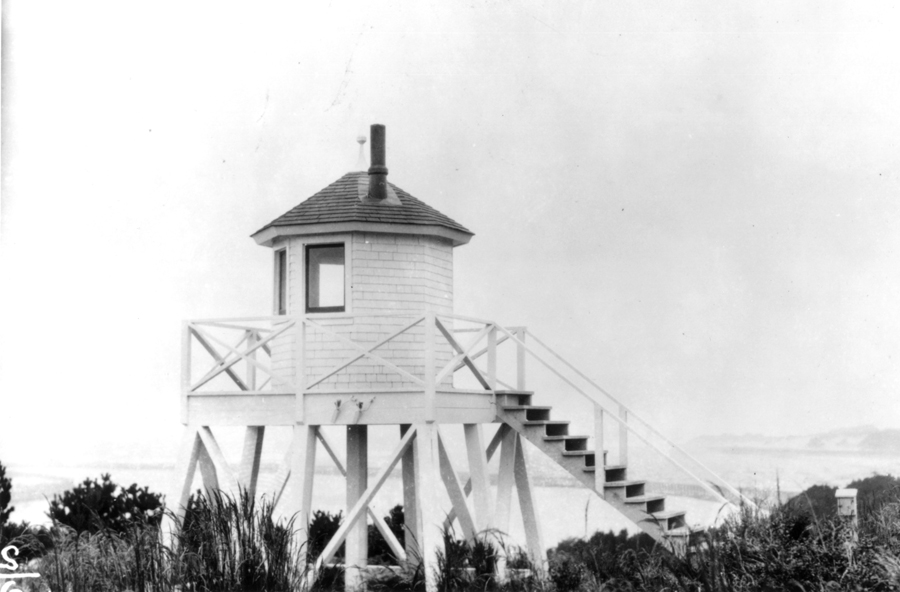
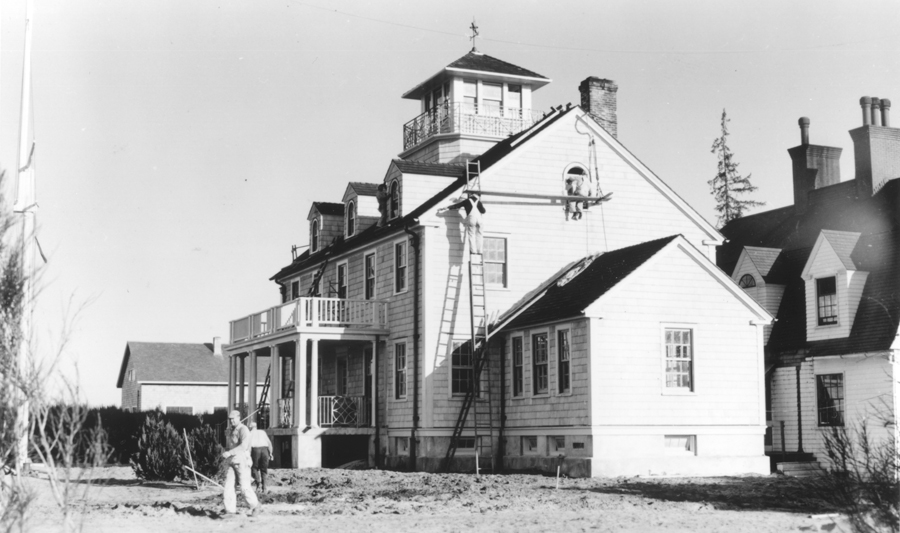
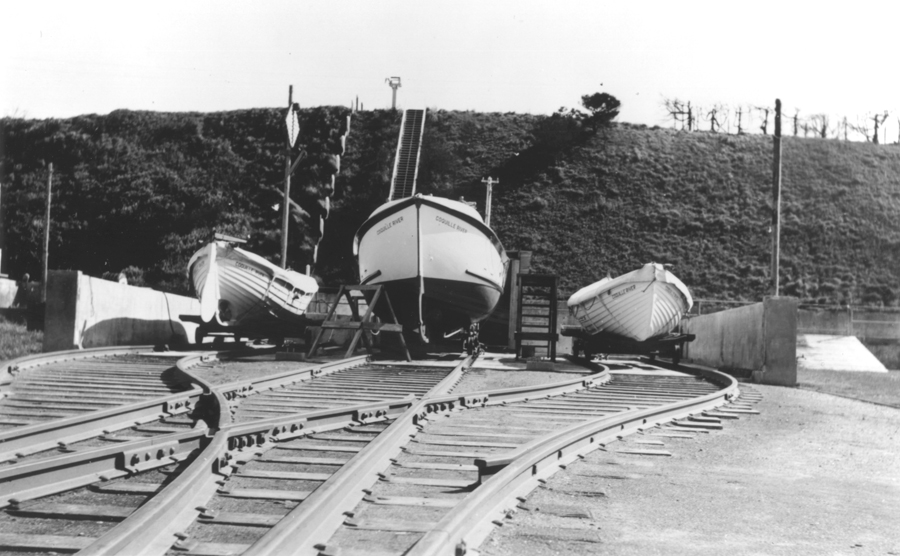
Photos Above: Coquille River boathouse, 1938. Unfortunately, most of the town of Bandon burned down in 1936. Only 16 out of approximately 500 buildings survived the blaze on September 26, 1936. The unstable Bank of Bandon seen here had to be pulled down. The life-saving station complex did not survive the September firestorm. All that did endure were the boats, the concrete launchway, and the bell stand on the hill. The “open air” boathouse would serve them for four years until a new station was built. (Courtesy of U.S. Coast Guard.)
Donate
We are in in need of donations to help accomplish our goals and missions and they are greatly appreciated. We have a number of projects the organization is working on which you can read about on our site and in our publications. Donations also help provide small grants to help these stations in research and or preservation.
We have an annual meeting where we travel to various locations throughout the U.S. to visit these stations, keep up to date on various preservation projects, fund raising efforts and learn about the past heroic efforts of the lifesavers as well as today’s modern U.S. Coast Guard efforts of saving lives. It is truly a unique gathering for anyone interested in learning about early life saving efforts.
Photo Above: Coquille River boathouse, 1938. Unfortunately, most of the town of Bandon burned down in 1936. Only 16 out of approximately 500 buildings survived the blaze on September 26, 1936. The unstable Bank of Bandon seen here had to be pulled down. The life-saving station complex did not survive the September firestorm. All that did endure were the boats, the concrete launchway, and the bell stand on the hill. The “open air” boathouse would serve them for four years until a new station was built. (Courtesy of U.S. Coast Guard.)